













à partir de
26.00 €
| » |
Déodat de SEVERAC (1872-1921)
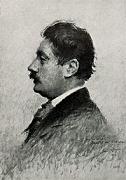 Le compositeur français Déodat de SEVERAC est né à Saint-Félix-Lauragais (Haute-Garonne) le 20 juillet 1872 et mort à Céret (Pyrénées-Orientales) le 24 mars 1921.
Issu d'une famille de vieille noblesse, Déodat de SEVERAC fit ses études à Toulouse puis à la Schola Cantorum de Paris, où il devint l'élève de Vincent d'Indy et d'Albéric Magnard. Il y prit des leçons d'orgue avec Alexandre Guilmant et devint assistant d'Isaac ALBENIZ.
En 1900, il écrivit des poèmes symphoniques sur les saisons. Il mit en mélodies des poésies de Baudelaire ou Verlaine ainsi que des vers provençaux et composa sa musique chorale avec des arrangements de textes en catalan. Il écrivit deux Opéras, Le Cœur du moulin, qui fut créé à l'Opéra-Comique de Paris le 8 décembre 1909, et Héliogabale, créé dans l'arène de Béziers avec l'introduction de la cobla catalane, groupe d'instruments jouant les primes et les tenores (instruments en bois apparentés au flageolet). Sa musique pour piano, au style très personnel, est souvent imagée et colorée, comme dans le Chant de la Terre, qui décrit une idylle rustique, ou les morceaux En Languedoc et Baigneuses au soleil. La suite Cerdaña, son chef-d'œuvre, illustre son amour pour le terroir méridional.
Il fut le chantre d'une musique régionale et soutint, en 1908, une thèse sur « La Centralisation et les petites chapelles. » Claude DEBUSSY dira que « Sa musique sent bon ».
[Extrait de Wikipedia]
Vous trouverez ci-dessous les arrangements des oeuvres de Déodat de SEVERAC
exclusivement édités par FLEX Editions
à partir de
19.70 €
Nombre de produits : 2